Labor Cost Reconciliation Request Form Template

Start with a free 30-day trial. No credit card required.
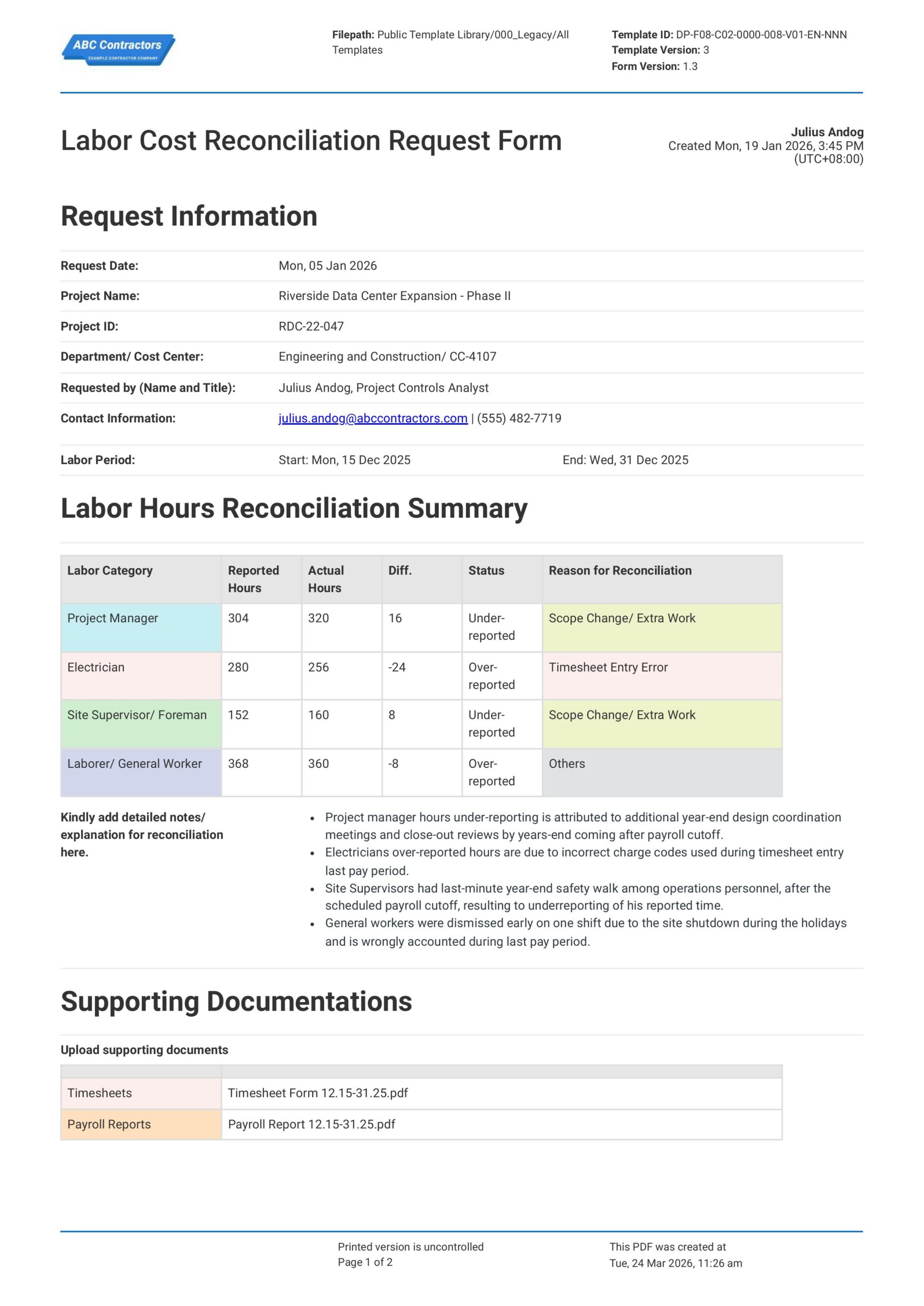
This Labor Cost Reconciliation Request Form is a tool used to review and reconcile any labor cost discrepancies that arise during the contractual reporting or billing period. Additionally, tracking these discrepancies and compiling the relevant supporting documents can be done with just a few clicks.
Looking for a job cost record example to help you structure a request form? Well, this Labor Cost Reconciliation Request Form allows you to capture the reported and actual labor hours and list them side-by-side for easy comparison. Plus, you can add explanations, attach other supporting photos or forms, and even perform sign-offs and approvals.
 100% fully editable Labor Cost Reconciliation Request Form
Export your Labor Cost Reconciliation Request Form to PDF or CSV
Access Reconciliation Forms on mobile, tablet or computer


Trusted by companies, projects and teams of all sizes















What is Labor Cost Reconciliation Request Form?
A Labor Cost Reconciliation Request Form is a document that engineers and project managers use to review and resolve labor discrepancies. Specifically, it captures the reported labor hours and the actual hours worked. With this, project managers and finance teams can easily trace, review, and reconcile discrepancies regarding the reporting of eligible work hours.
Labor cost reconciliation is a critical part of cost control and financial management in just about any industry. Differences can arise due to rate changes, overtime, incorrect classifications, duplicate entries, or changes in work scope. This makes cost reconciliation an integral process in the construction industry.
Compare this Labor Cost Reconciliation Request Form with Excel, PDF, or email-based requests
Going through spreadsheets and email threads just to reconcile simple labor cost issues can take more time than you can spare. Digital tools like this smart template can help streamline the entire process, saving you time across projects and improving overall efficiency in project operations.
Use this Labor Cost Reconciliation Request Form template for free

Generate this template automatically with Storm
You don't have to build the Labor Cost Reconciliation Request Process field by field. Let Storm, the AI Data Capture Agent inside Dashpivot, build the template for you in seconds.
Describe what you need
Tell Storm the form you want in plain language and it builds a structured digital template from scratch, with fields, tables, and signatures in place.
Upload what you already use
Drop in your existing PDF, Word, Excel, or even a photo of a paper form. Storm rebuilds it as a smart digital template with the structure intact.
 Storm
Storm
Generate a Labor Cost Reconciliation Request Process form template that I can use for my business
Applicable Standards and Policies for Labor Cost Reconciliation Request Form
There is no single, explicit regulation or standard that covers forms for labor cost reconciliation requests. However, government contracts and projects are covered by the following regulations on timekeeping, contracts, and labor cost reconciliations:
- FAR Part 43 (contract modifications)
- FAR Part 41 (documentation of labor costs)
- DCAA (Defense Contract Audit Agency)
- Other state-specific contract law (i.e. Davis-Bacon Act)
Additionally, Canada also has regulations set up to regulate construction and contract requirements. Specifically, these are:
- Provincial Construction Acts (e.g., Ontario Construction Act)
- Builders’ Lien Legislation
- Prompt Payment Regulations
- Provincial Contract Law
- CCDC Standards
Staff Members and Parties that use Labor Cost Reconciliation Request Form
Contractors and subcontractors are the primary parties that make use of a Labor Cost Reconciliation Request Form. For example, if a contractor finds an error or an issue in their billing for the work period, they can easily fill out one of these forms for their clients to review.
Here are some of the most relevant parties that make use of labor cost reconciliation forms:
- General Contractors – They are responsible for the overall scope of work on a project so they use the form to ensure that all labor costs are accurate and properly documented.
- Subcontractors – Even though they handle specific portions of the work, they often initiate the reconciliation request. For any discrepancies on the hours and fee, they flag it using the form.
- Project Managers and Finance Officers – Together they use the form to review the labor cost submissions and make sure everything is lined up before payments are processed.
- Cost Engineers or Quantity Surveyors – They inspect the labor cost against estimates and monitor changes to project expenditures due to reconciliation, change orders, etc.
- Client representatives – Must be able to confirm that the labor costs are justified and within the agreed scope. They do the final sign off before a payment gets approved or a billing dispute.
Business Risks Reduced by Labor Cost Reconciliation Request Form
A well-structured Labor Cost Reconciliation Request Form serves as an avenue for transparency between the contractor and their clients. By ensuring both parties agree on the actual vs. reported worked hours, these forms ultimately reduce the risk of:
- Misunderstandings – The form is a shared record for the contractor and client that keeps both parties aligned.
- Unnecessary losses and delays – A proper reconciliation process keeps the project moving, catches the issues early, and prevents errors and costly delays.
- Overhead costs to both parties – Lessening delays and back-jobs also lessen overhead costs of both parties, and ensures the project stays financially efficient.
Business Opportunities Created by Labor Cost Reconciliation Request Form
A labor cost reconciliation report enables businesses to uncover recurring inefficiencies and can help drive improvements to project management. Specifically, business managers can:
- Examine labor trends
- Improve workforce management and planning
- Negotiate contracts more effectively
Additionally, these forms can serve as a basis for historical data for labor costs. Businesses can use this information to refine future labor cost estimation and project budgeting, for instance. This benefits both contractor and client sides, as both can more accurately estimate costs and more frequently deliver on promised outcomes.
What is Included in a Labor Cost Reconciliation Request Form?
- Company Name & Project Details
- Contractor/Subcontractor Details
- Employee Information/Classification
- Detail of Actual vs. Reported Labor Hours
- Analysis of Variance (between actual and reported labor hours)
- Sections for supporting documents
- Clear Approval or Rejection of reconciliation request
Labor Cost Reconciliation Request Form - Why is it Important?
Cost Reconciliation Forms for Labor are important because they ensure labor charges and billings are justified and well documented. This is especially critical in the construction industry where labor costs make up a huge chunk of the overall Labor, Equipment, Materials, or LEM Construction budget.
Project management teams usually work with any number contractors, subcontractors, and other stakeholders at any given time. When even one of these parties raises a dispute during a billing cycle, project managers scramble to get the right information and documents to assess the issue. Labor Cost Reconciliation Request Forms are usually the basis of these processes and must be designed to include all the necessary information for ease of use.
Creating a Proper Labor Cost Reconciliation Request Form
Labor request forms and cost reconciliation reports generally do not have a standard format required by law or industry standards in the USA. However, there are some core elements that make up the form that are used universally across industries in the built-world.
Below, we list important information you will need figured out before you start creating your own Labor Cost Reconciliation Request Form:
- Relevant and applicable LEM regulations in your region
- Project and contract information
- Reporting or billing period dates
- Contractor and subcontractor details
- Employee names and labor classifications
- Reported labor hours and payroll records with applicable labor rates and cost codes
- Supporting documents (timesheets, payroll reports, change orders)
Identify the Project and Contractor Information
This includes general information that is essential for proper review of the Labor Cost Reconciliation Request Form:
- Project name & job reference number
- Reporting or billing period
- Contractor or subcontractor details
Record the Employee Record Details
Make sure to include employee information that is specific to what is being reconciled:
- Employee names and roles
- Reported labor hours
- Actual labor hours worked
Identify Variances in Labor Hours
A good Labor Cost Reconciliation Request Form should clearly show the reported and actual labor data, so discrepancies can be easily identified.
- Difference between reported and actual hours
- Impact of the variance (difference in costs), if any
Explain and Support the Reconciliation
It is critical that parties involved in the reconciliation provide evidence to justify the reconciliation request.
- Variance Analysis, such as the reason for the discrepancy
- Attachments of relevant supporting documents (timesheets, change orders, etc.)
Request Review and Approval
Finally, make sure your form has fields that clearly confirm the approval or rejection of the reconciliation request. You would want to pair this with a section where the appropriate personnel can sign-off on the document as well.
- Project management approval
- Finance Team approval
- Any other comments or recommendations
Frequently asked questions
How to create Labor Cost Reconciliation Request Process in an App or Software System
A streamlined Labor Cost Reconciliation Process ensures that labor issues and disputes are immediately and justly addressed. Additionally, it helps project management teams avoids down-time at the site and overrun costs.
30 minutes
Medium difficulty
Start your Labor Cost Reconciliation Request Form with General Information
Begin by detailing high-level project information so the reconciliation request can be easily identified and tracked. Make sure to add fillable text fields for:
- Project name and job number
- Reporting period or covered dates
- Company information, contractor or subcontractor details
- Contract reference, cost codes, or billing reference numbers
Provide a section for Labor Hours Reconciliation and Analysis
Next, compare the labor hours reported against what was actually worked to identify discrepancies. We recommend tabulating the following information for each worker in order:
- First column for reported labor hours for the selected period
- A second column for actual labor hours worked and verified
- A third column to show variance between reported VS. actual labor
- Last columns for automations and comments
Automate calculating for Labor Hours Variance using formulas
If the app or software you’re using allows the use of formulas, make sure to automate calculations in order to save time and reduce errors. The Variance of Labor Hours formula is shown below:
- Labor Hours Variance = Reported Labor Hours – Actual Labor Hours
Attach supporting documentation
Relevant supporting documents help justify the request and provide an audit trail. Here are some examples of documents that you should attach to your labor cost reconciliation form:
- Timesheets and payroll reports
- Change orders or scope adjustment records
- Budget, cost, or rate schedules
- Photos, videos, PDFs, and other media files
Finally, create a section where finance teams or project management can Approve or Reject the request
Finish the document by adding clear recommendation and certification fields. Add blank text fields where the appropriate personnel can affix their signatures. Alternatively, you can add automated e-signature fields if your app or software allows.
- Approval or rejection selection
- Reviewer comments or notes
- Names, signatures, and approval dates
About the author

Ron Gadugdug
Engineering Content Writer

Education:
Cebu Institute of Technology - University - Civil Engineering
Bio:
Ron is a Civil Engineer with 6 years of experience in the construction industry, primarily focused on quantity surveying, cost estimation, project management, quality control, contract administration, and property & engineering insurance. At Sitemate, he writes about practical applications of evolving technologies and digital solutions that support construction professionals in improving efficiency, compliance, and project delivery across the built world.
Project Details:
Quantity Surveying & Cost Engineering
Performed quantity take-offs of several high-rise and horizontal structures using sheets and applications like Revit and Bluebeam Revu, and spearheaded trials with Building Information Modeling (BIM) software.
Project Management & Consultancy
Coordinated with project management teams during the construction of local projects such as a 4-tower hotel & resort, a 22 storey condominium project, and a school dormitory project.
Contract Administration
Assisted during contract biddings and negotiations with general contractors and sub-contractors, and oversaw progress reporting, billings, and payment.
Property & Engineering Insurance
Dedicated non-life claims handler, overseeing property and contractor all-risk insurance claims, risk management, and bonds.
Version History:
Other popular templates you can use and edit for free
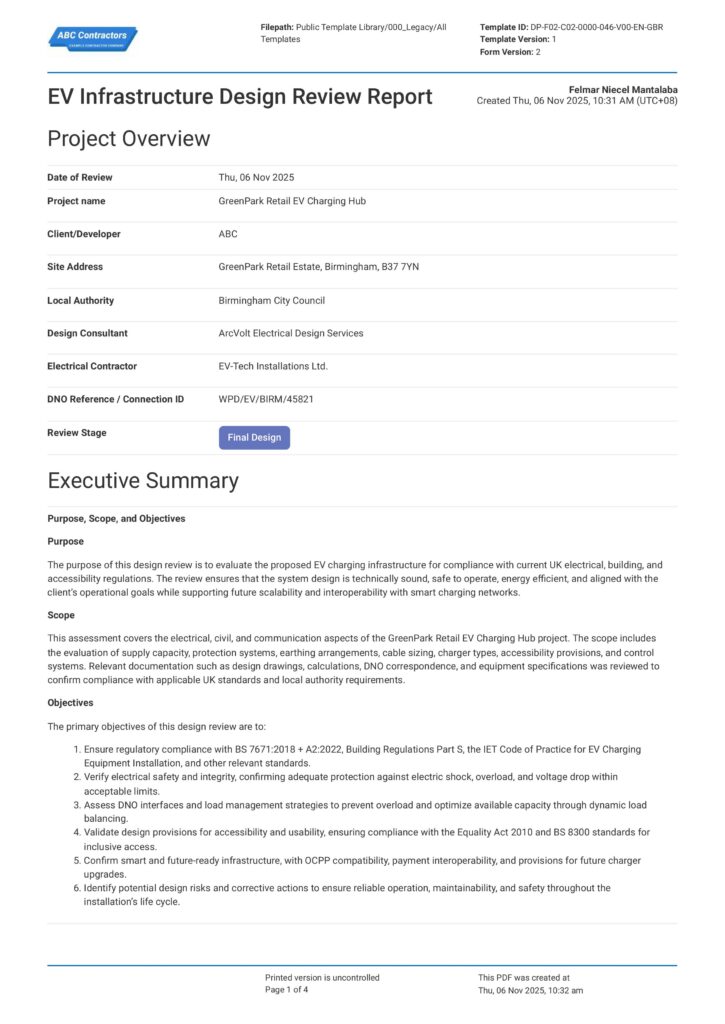
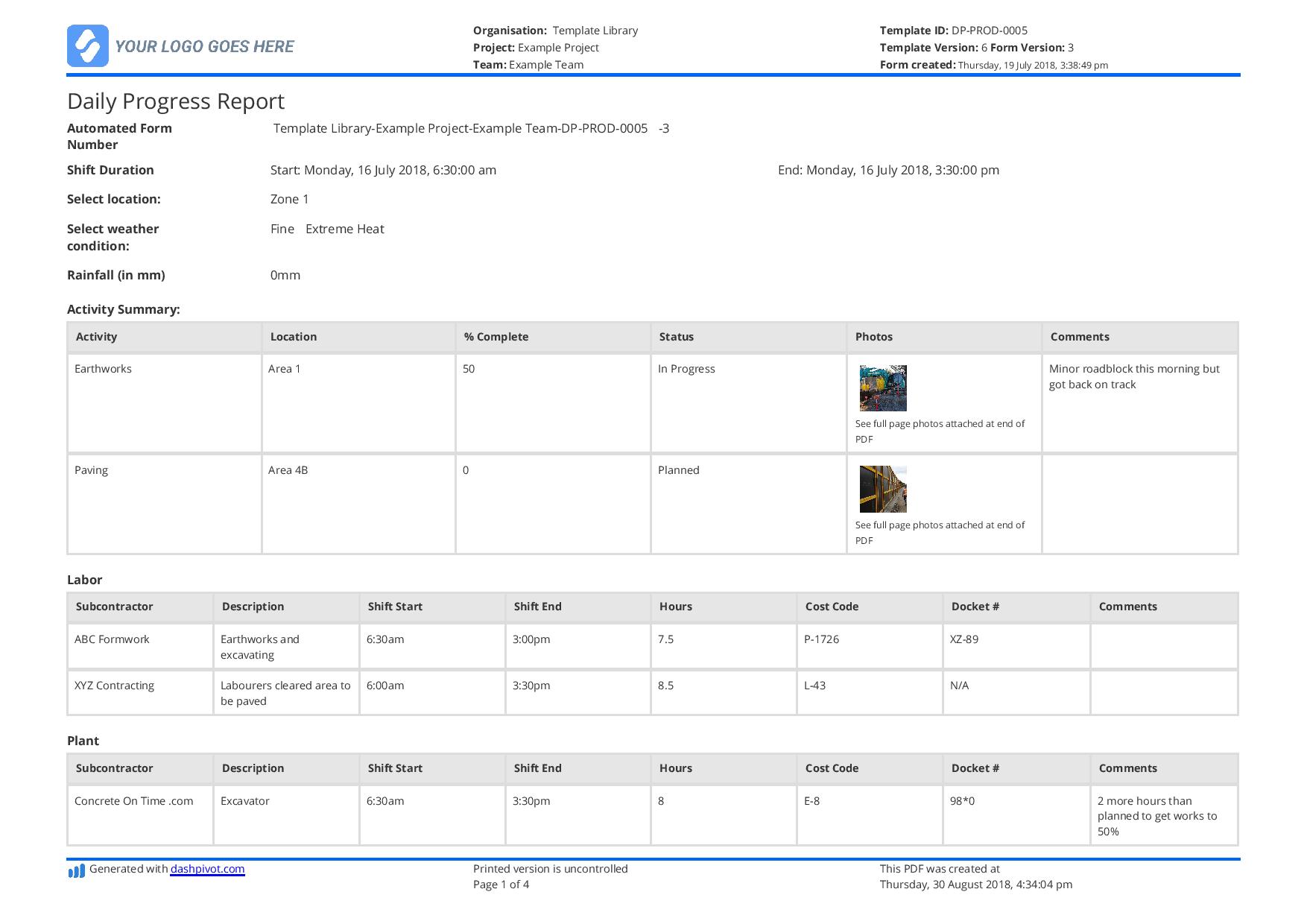
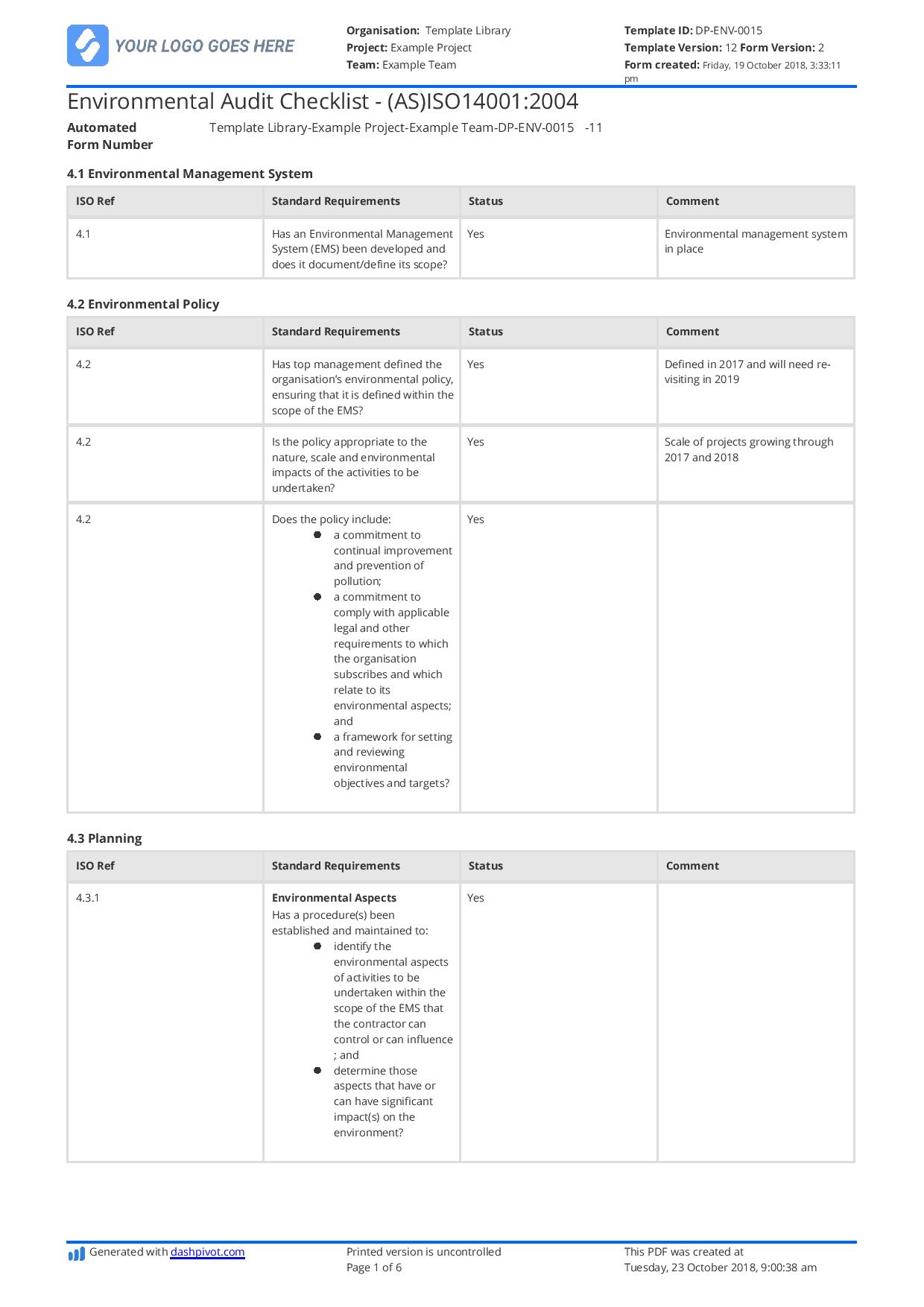
This form was generated with Dashpivot software
- Access, edit and complete your Labor Cost Reconciliation Request Process from any device - mobile, tablet or computer.
- Print, download or send your Labor Cost Reconciliation Request Process as perfectly formatted PDF documents with your company logo.
- Store your Labor Cost Reconciliation Request Process securely online, where they can be searched and found in seconds
- Invite internal and external parties to see, edit and sign off on Labor Cost Reconciliation Request Process online.
 English (United States)
  English (Australia)
  English (UK)
  English (New Zealand)
  English (South Africa)
  German