
The Safety Audit App Built for Construction Teams
Pass audits with confidence. Sitemate compiles safety audit packages automatically from your existing site records, incident reports, training logs, and compliance activities. No missing documents, no compliance gaps, no surprises on audit day.

Trusted by companies, projects and teams of all sizes















Why Safety Audit management Is Harder than It Should Be

Hunting for scattered compliance records
Safety officers scramble across multiple systems to locate incident reports, training certificates, and inspection records before audit deadlines.

Missing documentation creates compliance gaps
Incomplete records during audits expose potential regulatory fines and compliance violations that could have been addressed beforehand.

Last-minute audit preparation stress
Hours spent preparing paperwork instead of reviewing actual safety performance and addressing potential findings proactively.

No visibility into audit readiness
Safety managers can’t assess compliance status until they manually compile records, making it impossible to address gaps early.
A Smarter Way to Manage Safety Audit

Automatic audit package compilation
All incident reports, training records, inspections, and compliance activities automatically structured into audit-ready packages with full traceability to source documentation.

Pre-audit gap identification
System flags missing requirements and incomplete records before the audit begins, allowing safety teams to address compliance gaps proactively.

AI-powered audit template generation
Generate structured audit checklists for ISO 45001, AS/NZS 4801, or custom standards with compliance checkpoints matched to your site type and requirements.

No visibility into audit readiness
Every finding links directly to source records in your safety management system, providing auditors with complete traceability and evidence.


Understanding Safety Audit Software
What makes effective safety audit management
Effective safety audits require comprehensive documentation that demonstrates ongoing compliance rather than point-in-time snapshots. This means linking audit findings back to source records—incident reports, training logs, inspection checklists, and corrective action registers—to show systematic safety management rather than isolated activities. Successful audit programs also depend on proactive gap identification, where potential compliance issues are identified and addressed before external auditors arrive, reducing the risk of regulatory penalties and demonstrating mature safety management systems to stakeholders.
Essential elements of audit-ready safety documentation
- Complete incident reporting with root cause analysis and corrective actions
- Current training records with competency verification and renewal tracking
- Regular safety inspection logs with non-conformance management
- Permit and license registers with expiry monitoring
- Risk assessment documentation with control measure verification
- Emergency response procedures with drill records and updates
Regulatory compliance and audit standards
Safety audits typically align with established standards like ISO 45001 (occupational health and safety management), AS/NZS 4801 (Australian/New Zealand safety standards), or jurisdiction-specific workplace safety regulations. These frameworks require systematic documentation of safety processes, regular performance monitoring, and continuous improvement evidence—all of which must be readily accessible during audit reviews.
How To Set Up a Digital Safety Audit Using Sitemate
Step 1:
Step 2:
Map existing safety records. Connect your current incident reports, training logs, inspection records, and compliance activities to audit requirements. Set up automatic compilation rules so relevant documentation flows into audit packages without manual intervention.
Step 3:
Configure gap identification rules. Set up automatic monitoring for missing documentation, expired certifications, overdue inspections, and incomplete corrective actions. Define escalation triggers to ensure compliance gaps are addressed before audit deadlines.
Step 4:
Test audit package generation. Run test audit compilations to verify that all required documentation is captured correctly and linked to appropriate compliance checkpoints. Refine templates and linking rules based on your specific audit requirements.
Step 5:
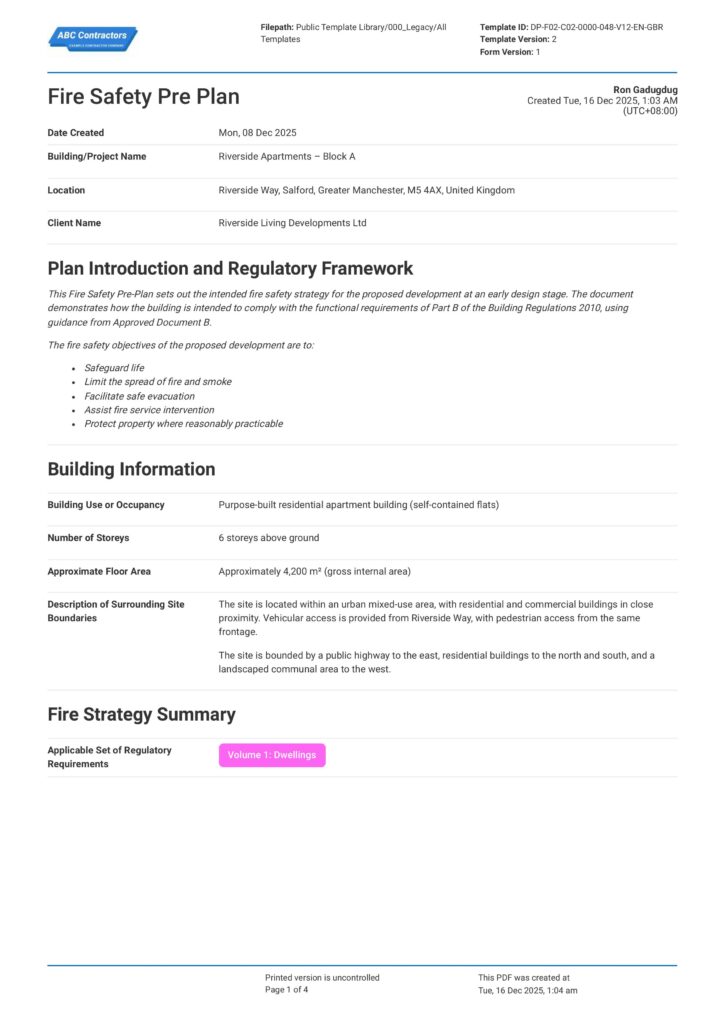
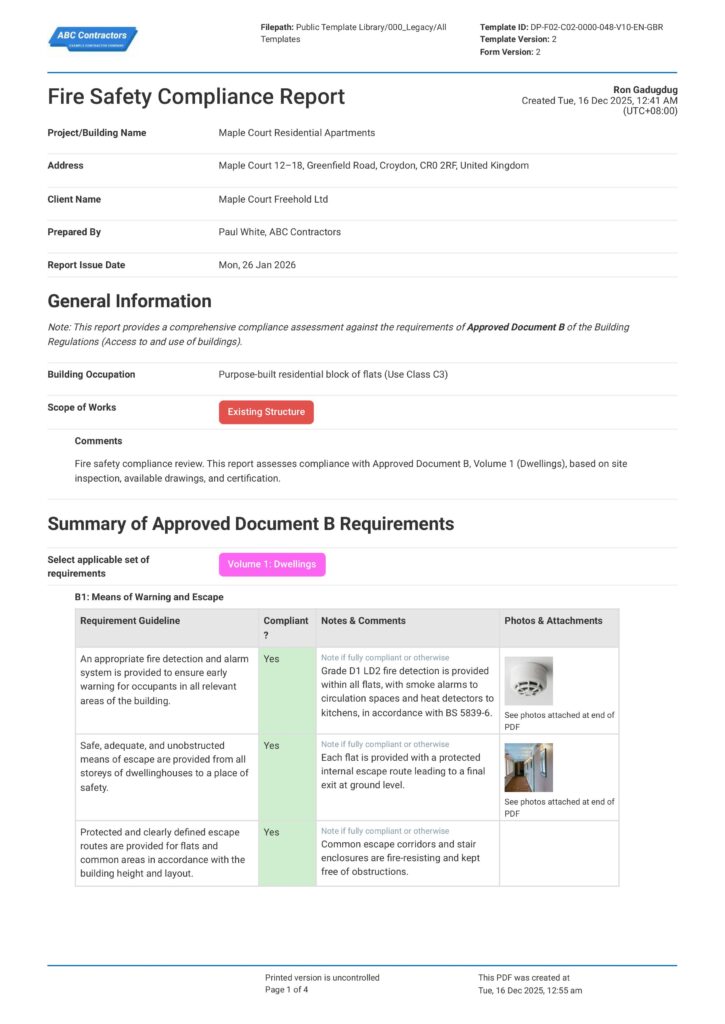
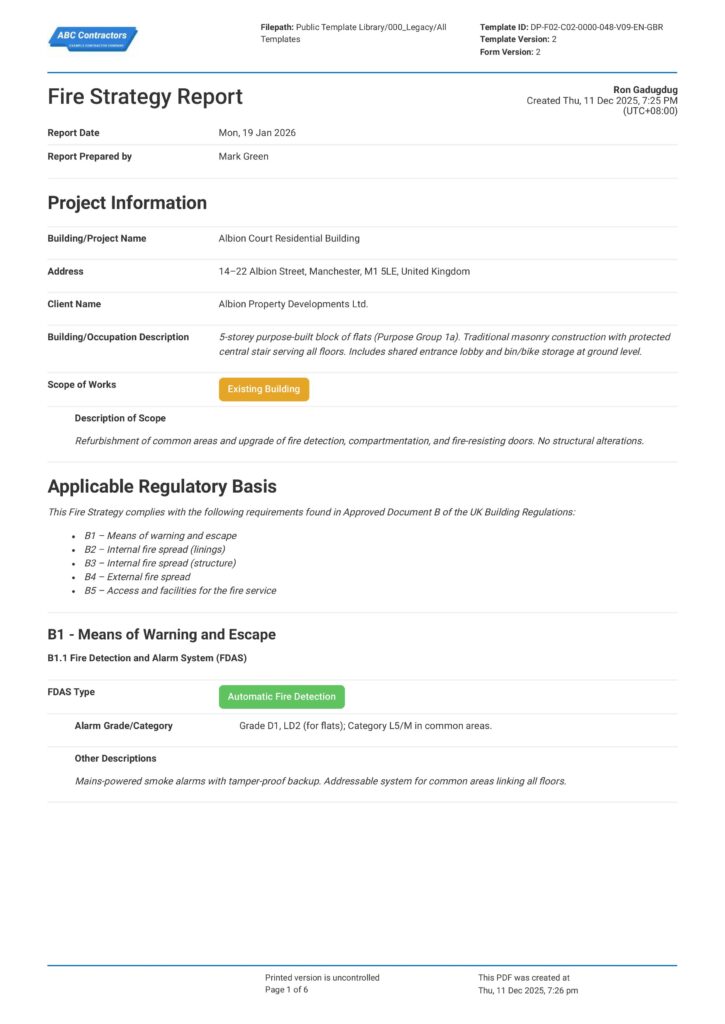
Start Faster With Built-In Safety Audit Templates
See How Sitemate Has Already Helped Companies Like Yours
"Our process now is so much quicker, easier, and more efficient. It's improved tenfold."
- Shane Russo, Site Manager
500+ employees
Zero paperwork
6 regions
Site data unified across 6 regions
External audit collaboration with Flowsite
Provide external auditors with secure access to relevant documentation and finding submission portals. Share audit templates with subcontractors to ensure consistent compliance standards across your entire project network.
Comparison: Paper Safety Audit vs Digital Safety Audit
Most project teams already know paper and spreadsheets aren't cutting it. Here's what changes when you move your method statements to a digital system.
Automatic audit package compilation
Real-time compliance gap identification
Source record traceability
Voice-to-form audit capture
Versioning and updates
Digital approvals workflow
Audit trail documentation
Actions and follow-ups
Audit evidence management

Paper
Frequently asked questions about Safety Audit
What if the auditor wants specific documents we don't have?

The system flags missing requirements before the audit so you can address gaps early, not during the audit. Gap identification runs continuously, monitoring for missing documentation, expired certifications, and incomplete corrective actions well before audit deadlines.
How does Sitemate handle different audit standards like ISO 45001 vs AS/NZS 4801?
AI template generation adapts to your specific compliance framework. Simply describe your audit scope or import existing checklists, and the system builds appropriate templates with checkpoints, documentation requirements, and scoring criteria matched to the relevant standard.
Can external auditors access our documentation directly?
Yes, through Flowsite portals. You control exactly which documents auditors can access, and they can submit findings and collaborate on corrective actions through secure interfaces without accessing your full safety management system.
How does voice-to-form capture work during audit walkthroughs?
Auditors record observations via voice while taking photos of findings. AI automatically maps each observation to the correct audit checklist fields: finding description, compliance status, evidence reference, and gap classification. This eliminates manual form filling during site walks.
What happens if we find compliance gaps during audit preparation?
The system highlights gaps with enough time to address them before auditors arrive. You can track corrective actions, update documentation, and verify compliance closure, then re-generate the audit package with complete, current records.
How does audit documentation link back to our daily safety activities?
Every audit finding links directly to source records in Dashpivot—original incident reports, training certificates, inspection logs, and compliance activities. This provides complete traceability and demonstrates systematic safety management to auditors.
Can we use this for internal safety audits as well as external compliance audits?
Absolutely. The same templates and compilation processes work for internal safety reviews, management system audits, and external regulatory compliance audits. You can configure different audit types with appropriate documentation requirements and review workflows.
 English (United States)
  English (Australia)
  English (UK)
  English (New Zealand)
  English (South Africa)
  German