
The Dilapidation Report App Built for Construction Teams
Complete pre-construction property surveys on-site with AI-powered documentation. Record conditions via voice and photos, get formatted reports before leaving the property.

Trusted by companies, projects and teams of all sizes















Why Dilapidation Report management Is Harder than It Should Be

Manual documentation takes days
Engineers walk through properties with clipboards, manually measuring every crack and defect, then spend hours typing everything up back at the office.

Missing conditions cause disputes
Poorly documented pre-existing damage leads to liability issues and unfair claims when construction work is complete.

Inconsistent reporting formats
Different surveyors use different terminology and measurement methods, making reports difficult to compare and verify later.

No real-time verification
Engineers can’t review findings on-site, leading to incomplete surveys and return visits to capture missed defects.
A Smarter Way to Manage Dilapidation Report

Voice-to-report documentation
Describe defects naturally while taking photos. AI extracts measurements and descriptions, populating report fields in real-time.

GPS-tagged photo evidence
Every photo includes timestamp and location data, creating an audit trail that protects against future disputes and unfair claims.

On-site report completion
Review and finalize formatted reports before leaving the property. No more office typing or return visits for missing information.

No real-time verification
AI maps findings to consistent room locations, defect types, and severity ratings for professional, comparable reports.


Understanding Dilapidation Report Software
What is a dilapidation report?
A dilapidation report (also called a condition report or pre-construction survey) documents the existing condition of buildings and property before construction or civil works begin. Engineers and surveyors photograph and measure every crack, defect, and structural issue to establish baseline conditions. These reports protect contractors from liability for pre-existing damage and provide evidence if property owners make unfair claims after work is complete. They're essential for infrastructure projects, building renovations, and any construction work near existing structures.
Key elements of professional dilapidation reports:
- GPS-tagged photographs of every defect with timestamps
- Precise measurements of cracks, settlement, and structural issues
- Room-by-room condition descriptions using consistent terminology
- Defect severity ratings and recommended monitoring
- Professional formatting with company branding and signatures
- Audit trail linking measurements to source documentation
Industry compliance and legal protection
Dilapidation reports serve as legal documents in construction disputes and insurance claims. Professional surveys must include verifiable measurements, timestamped photo evidence, and consistent terminology to stand up in court. Many council and infrastructure contracts require pre-construction property surveys to protect all parties from liability issues.
How To Set Up a Digital Dilapidation Report Using Sitemate
Step 1:
Step 2:
Train team on voice documentation. Show engineers how to describe defects clearly for AI processing. Practice standard terminology for cracks, settlement, and structural issues.
Step 3:
Test GPS and photo settings. Verify GPS tagging works on site devices and photo quality meets documentation standards. Set up automatic timestamp and location embedding.
Step 4:
Configure client sharing. Set up automated report distribution to clients and project stakeholders. Configure PDF export settings with professional formatting.
Step 5:
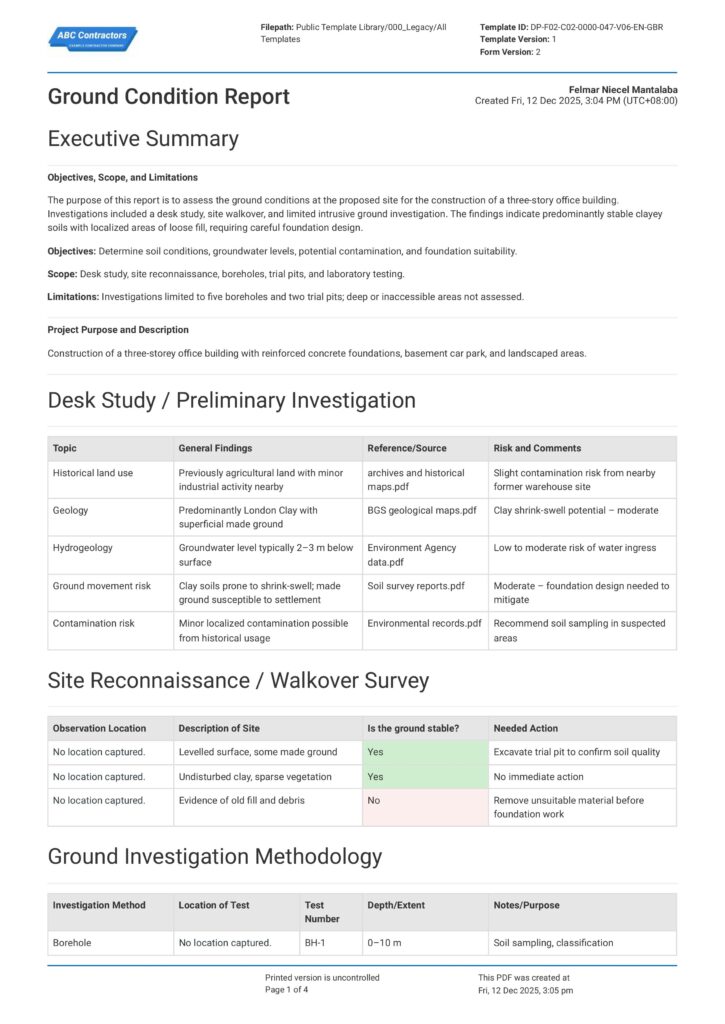
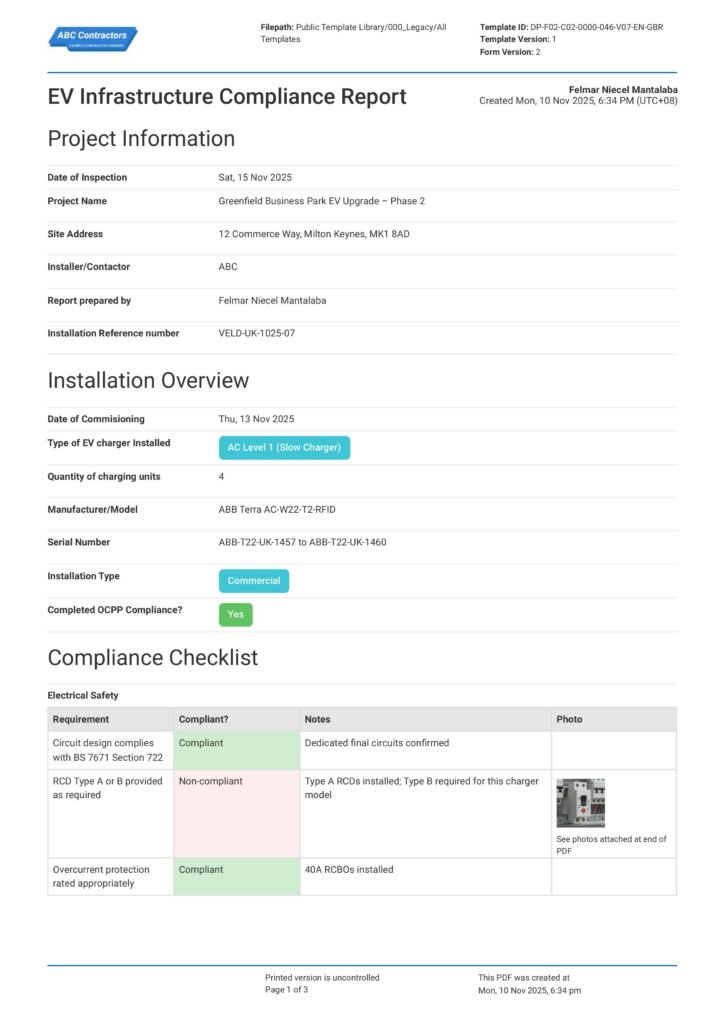
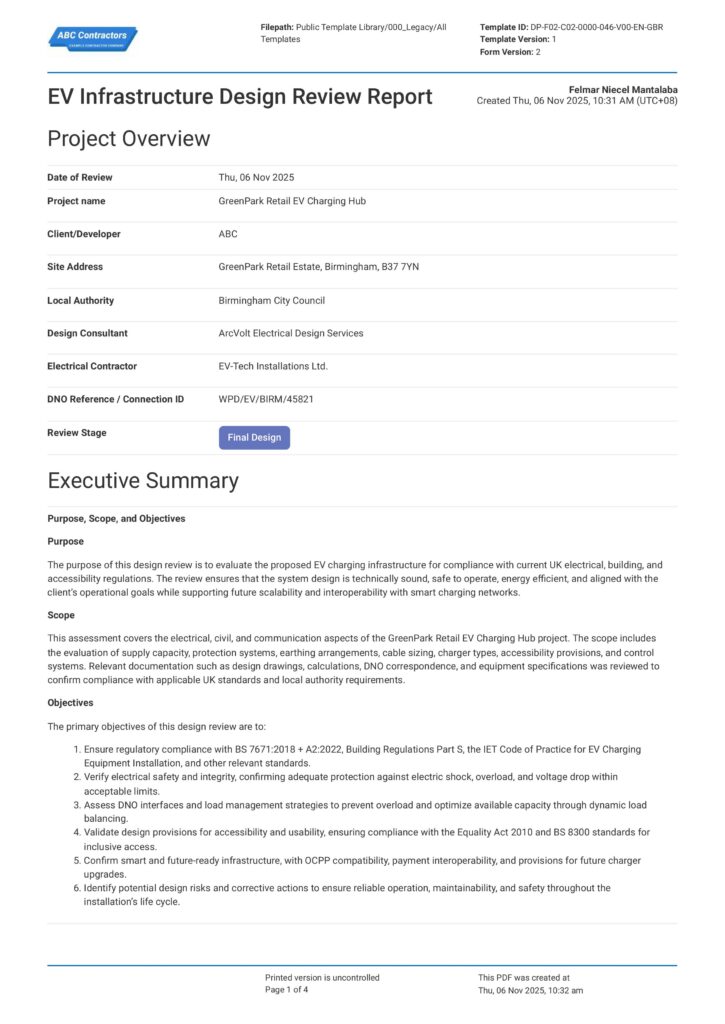
Start Faster With Built-In Dilapidation Report Templates
See How Sitemate Has Already Helped Companies Like Yours
"People can access the system remotely. There's no need to sign a form in person."
- Stuart Gordon, Group Health and Safety Director
6 live regions
Managing housing projects with Dashpivot
100+ forms
Use digitally across health, safety, and quality
Share surveys with clients instantly
Flowsite automatically distributes completed dilapidation reports to clients and stakeholders, with portal access for viewing timestamped evidence and audit trails.
Comparison: Paper Dilapidation Report vs Digital Dilapidation Report
Most project teams already know paper and spreadsheets aren't cutting it. Here's what changes when you move your method statements to a digital system.
Voice-to-text documentation
GPS-tagged photos with timestamps
Measurement audit trails
Versioning
Real-time client sharing
Professional PDF export
Offline access
Searchability
Actions and follow-ups

Paper
Frequently asked questions about Dilapidation Report
Will AI accurately describe complex structural defects?

AI drafts descriptions from your voice recordings using your exact terminology and technical language. Engineers review every finding before sign-off, ensuring accuracy and professional standards are maintained.
Can photos really capture everything needed for legal documentation?
Voice notes supplement photos with context, measurements, and details that aren’t visible in images. The combination provides comprehensive documentation with verifiable audit trails.
How do GPS timestamps help with dispute protection?
GPS-tagged photos with timestamps create verifiable evidence of when and where each defect was documented. This prevents disputes about pre-existing vs. construction-related damage.
What happens if internet connection is poor on site?
The app works offline and syncs when connection is restored. Photos and voice recordings are stored locally until upload is possible, ensuring no data loss.
How long does a typical dilapidation survey take with Sitemate?
Surveys complete in hours instead of days. Engineers spend time on thorough inspection rather than manual documentation, with reports ready before leaving site.
Can reports be tailored for different project types?
Yes, templates can be configured for infrastructure, residential, commercial, or civil works with appropriate defect categories, measurement fields, and compliance requirements.
How are voice recordings linked to measurements for audit purposes?
Every measurement and description is linked back to the original voice recording, creating a complete audit trail. This provides verification if findings are questioned later.
 English (United States)
  English (Australia)
  English (UK)
  English (New Zealand)
  English (South Africa)
  German