Electric Vehicle Charger Testing Checklist Template
Start with a free 30-day trial. No credit card required.
 100% fully editable Electric Vehicle Charger Testing Checklist
Export your EV Charger Testing Checklist to PDF or CSV
Access checklists on mobile, tablet or computer
Thousands of templates including other quality templates

~10,000 employees

~10 employees

~200 employees

~25,000 employees

~1,000 employees

~1,500 employees

~30 employees
What is an Electric Vehicle Charger Testing Checklist?
An Electric Vehicle Charger Testing Checklist is a comprehensive assessment of an EV charging station’s operability, safety, and adherence to regulations. It thoroughly checks important key features of the charging station to ensure that it functions satisfactorily based on design and regulatory standards. The inspection ensures the safe use of the charging station and its efficiency when used.
Compare this Electric Vehicle Charger Testing Checklist to paper-based forms created from Word, Excel, or PDF
Use this Electric Vehicle Charger Testing Checklist template for free.
Electric vehicle charging station testing
Electric vehicles are now becoming a trend in the UK, especially now that they aim to reach net zero by 2050. Because of this, the demand for electric vehicle charging stations has exponentially risen since 2020. Due to this rising need, the UK wants to ensure that these EV charging stations are fully optimal and safe for consumers, which is why testing electric vehicle chargers is vital. To ensure that inspections are both efficient and thorough, the electric vehicle charger checker must include the following fields:
Electric vehicle charger testing: Electrical tests
The electrical system of an EV charging station is its most vital component, which is why it needs to run correctly and safely. Including this test during the inspection ensures that the power transfer is consistent, electronic parts are stable during charging, and regulatory provisions from BS 7671 are met.
Electric vehicle charger testing: Smart Functionality
The United Kingdom has established regulations pertaining to the smart system of electric vehicle charging stations. The Electric Vehicles (Smart Charge PointS) Regulations 2021 have placed standards on ensuring that these smart charging points communicate effectively with the user’s needs, have constant connectivity and updates, and commit to cybersecurity standards. These key items must be verified through the electric vehicle charger checker.
Electric vehicle charger testing: Safety Tests
Lastly and most importantly, safety checks must be included in the Electric Vehicle Charger Testing Checklist. The assessment must thoroughly go through all safety measures integrated into the charging station and ensure that they function by design. Having this on the form ensures that potential hazards are always eliminated, assuring users and their vehicles of their safety.
Electric vehicle charger selection guide
In the UK, there is a general selection guide on the proper EV charger that establishments wish to install. This guide provides installers with the needed regulatory standards to follow and ensure safety upon use of the charger. Here are the steps to selecting the appropriate EV charger:
Electric vehicle charger requirements
The very first step is to understand the EV charger requirements. There are a number of EV vehicle regulations that need to be adhered to, which are BS 7671:2018, Building Regulations Part S (2022), and the Electric Vehicle (Smart Charge Points) Regulations 2021. Knowing the provisions will generally give establishments the whole idea of which charger to choose.
Charging Use Case
The next step is to identify the charging use case. In the UK, four general use cases apply: residential, workplace, commercial, and fleet. The selection of the use case will determine the charger type, power output, and installation requirements. Here are the use cases and the charger type that are appropriate for it.
- Homes and residential units require overnight charging, which is why a slow charger is recommended. The slow charger has a power output of up to 3.6 kW, has a type 2 connector, and runs on AC .
- Car parks and workplaces are recommended to have a fast charger. The fast charger has a power output of 7-22 kW, a type 2 connector, and also runs on AC.
- Motorways and service areas are required to have rapid chargers that have an output of 25–100 kW, use CHAdeMO or CCS cables, and run on DC.
- Highway or fleet depots are required to have ultra-rapid chargers. These chargers also run on DC, use CCS cables, and have a power output of 101+ kW.
Assess power supply and smart functionality
The last step is to verify the nearest power grid. When checking the grid, it is best to consult a professional to determine available power supply, grid upgrade requirements, and cable routes for future expansions. Additionally, in this final step, the establishment must determine which EV charger brand offers smart functionality that complies with the Electric Vehicle (Smart Charge Points) Regulations 2021.
Frequently Asked Questions
Why use this Electric Vehicle Charger Testing Checklist template?
Sitemate’s Electric Vehicle Charger Testing Checklist is the ideal tool for conducting thorough and compliant EV charger inspections. Built from real industry workflows used by leading electrical and infrastructure firms, it follows current UK testing and safety standards, so teams can trust that every check is done right. The template is designed for simplicity and speed — helping any worker, whether in the field or the office, complete inspections efficiently and with confidence.
Is this template compliant with UK regulatory standards standards?
Yes – this template has been developed in line with key UK standards and regulations, including BS 7671, Part S of the Building Regulations, and the Electric Vehicles (Smart Charge Points) Regulations 2021. It’s trusted by professional installers and contractors throughout the EV and electrical services sector to carry out compliant testing, meet certification requirements, and uphold the highest safety and performance standards.
Can I edit this Electric Vehicle Charger Testing Checklist for my project or company?
Yes – the template can be formatted to suit any workflow using Dashpivot’s powerful drag-and-drop builder. You can adjust layouts, add or remove fields, and include tables, formulas, sketches, photos, and more to capture exactly the data you need. It can also be formatted with your company logo, custom headers, and unique document structure, giving you complete control over both design and functionality.
Which platforms support this checklist?
This template works seamlessly across all devices — whether you’re on a computer, tablet, or mobile phone. You can complete and edit forms in the office or directly from the field, making data capture simple and efficient anywhere. Once your form is finished, records can be instantly generated or exported as PDF or CSV files, giving you the flexibility of Word, Excel, and PDF — combined with the convenience and speed of modern digital tools.

Other popular templates you can use and edit for free
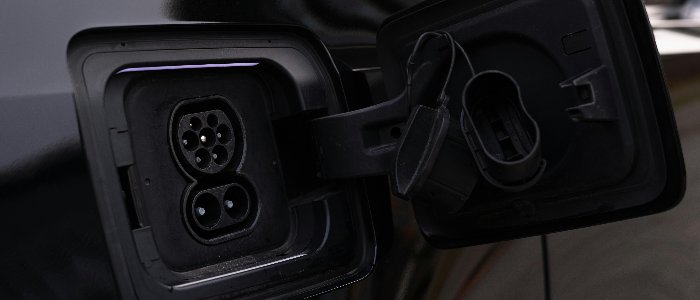
EV Infrastructure Design Report
Complete a design report for EV infrastructure to maintain compliance with the UK Building Regulations.
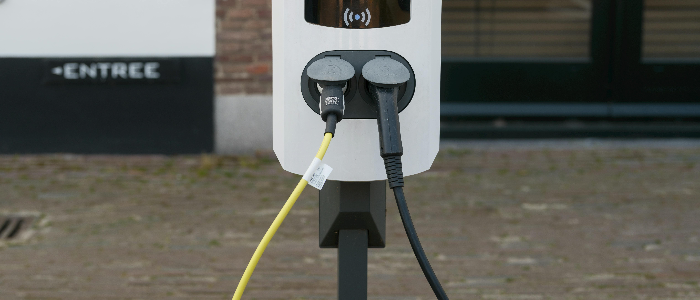
EV Charging Infrastructure Report
Make sure EV charging areas are regularly checked and compiled easily in a smart report for Part S compliance.
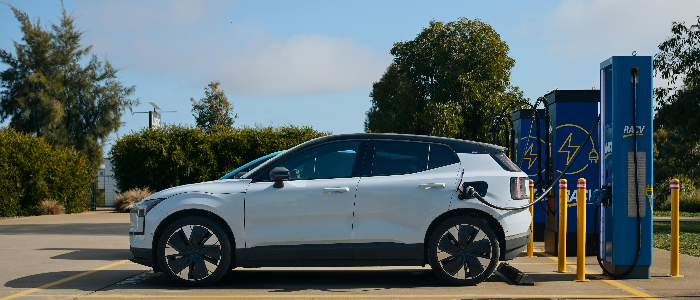
EV Charge Point Commissioning Form
Make commissioning EV charge points easier with a smart commissioning form for Part S compliance.

This checklist was generated with Dashpivot
Fully charge your inspections with this Electric Vehicle Charger Testing Checklist. Using this form will help streamline the whole inspection process, which ensures the full functionality and safety of EV chargers.
- Complete, edit, and review the EV charging infrastructure report on any device.
- Export reports as perfectly formatted PDF documents with your company logo.
- Securely store and manage your reports for easy searching and finding.
- Directly upload pictures to provide a clearer understanding of findings.

Sitemate builds best-in-class software tools for built world companies.

 English (United States)
  English (Australia)
  English (UK)
  English (New Zealand)
  English (South Africa)
  German