The Asset Management Software Built for the Front Line
Sitemate’s Asset Management Software is powered by Dashpivot, and allows site teams to easily log assets at the job site. Storm, Sitemate’s AI agent, can fill out reports with asset details, condition status, and even photos, then site supervisors can review, edit, and sign off directly on the form via e-signature.

Trusted by companies, projects and teams of all sizes















Why Asset Management management Is Harder than It Should Be

Time-consuming manual asset tracking
Teams using spreadsheets or paper-based logs take a long time to record asset locations and status.

Delays in locating available assets
Without a clear system to track asset location and status, teams can spend time searching for equipment that’s already in use elsewhere.

Missing or outdated asset records
Spreadsheet-based asset records can go out of date quickly, and paper-based logs are easy to lose before reaching the office.

Financial loss due to poor asset visibility
Without clear records of asset condition and location, equipment can go missing or unserviced, leading to unplanned costs.
A Smarter Asset Management App

AI-assisted asset report creation
Storm can help turn user prompts into a complete asset report, pre-filled with details specific to user input.

Real-time visibility on asset location and status
Teams can check asset location, condition, and availability in real time, without needing to search across site.

Supervisor review before asset status updates
Updates to asset condition or availability are routed to supervisors for review and sign-off before records are completed.

Financial loss due to poor asset visibility
The Asset Management Software uses Dashpivot’s cloud storage system where all asset records are stored. Looking into previous records can be done with a few taps and clicks.


Understanding Asset Management Software
What is Asset Management Software?
An Asset Management Software is a tool that project and facility teams use to track the equipment, tools, and physical assets used across a project or site. These records are usually set up when an asset is first brought into service, and cover details on the asset's location, condition, and maintenance history. With an Asset Management Software, teams can keep a digital record of each asset, as well as its current status throughout its operating life.
What does an Asset Management Software help record?
- General information like asset name, ID number, and category
- Purchase date, value, and warranty details
- Maintenance history and upcoming service schedule
- Condition and operational status of the asset
- Personnel responsible for the asset
- Supporting photos and attachments
Why is asset management important?
Asset management is important because it is a means by which project and facility teams can track the location, condition, and value of equipment, and elevate any issues found to the responsible party for proper action. These factors can be affected by things like how often an asset is used, the environment it operates in, and how well it has been maintained over time. This is especially relevant to industries like construction and industrial or manufacturing plants, where a large number of assets can move between sites and change hands frequently. Additionally, asset records serve as a basis for teams when planning replacements and confirming accountability for equipment on site.
How To Set Up a Digital Asset Management Using Sitemate
-
Set up Asset Management templates
First, you will need to create the templates that will be used as standard forms for all your asset records. Supervisors can create these forms in Dashpivot, where they can add fields for asset details, location, condition, maintenance history, and ownership information. -
Use Storm to fill out Asset Management templates
Storm captures insights and context from all sorts of user input. Manual user prompts, voice notes, photo analysis, and automatic location and time capture are all taken into account in the form.
-
Set up notifications
Set up the notification workflow within Dashpivot to send automatic alerts to supervisors and asset managers as soon as asset records are logged or updated.
-
Train personnel
Train personnel on how to use the Asset Management Software, especially on how to input data, photos, and voice recordings, collect signatures, and review the auto-populated fields.
-
Go live with the Asset Management Software
Deploy the Asset Management Software and start running consistent, well-documented asset records.
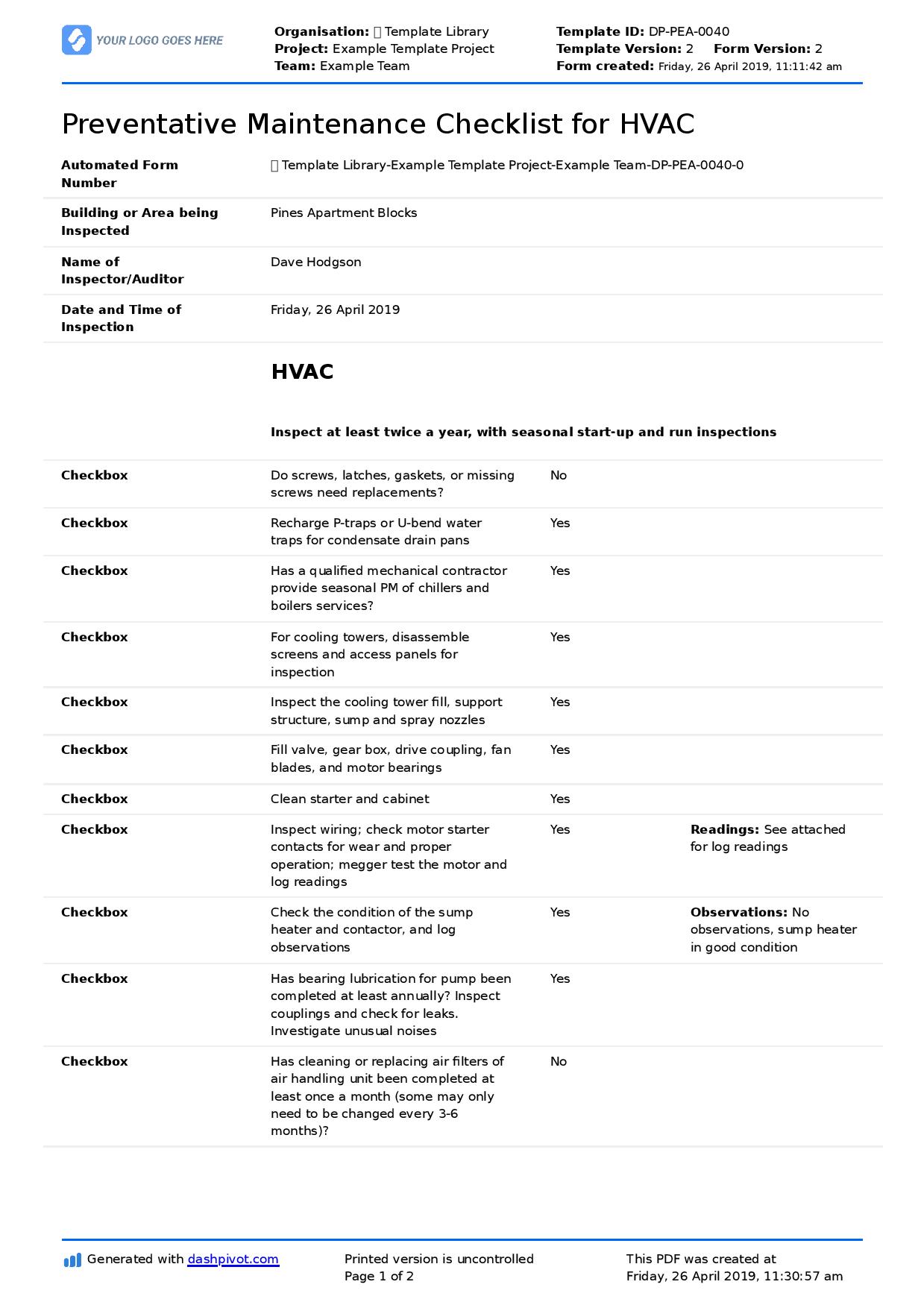
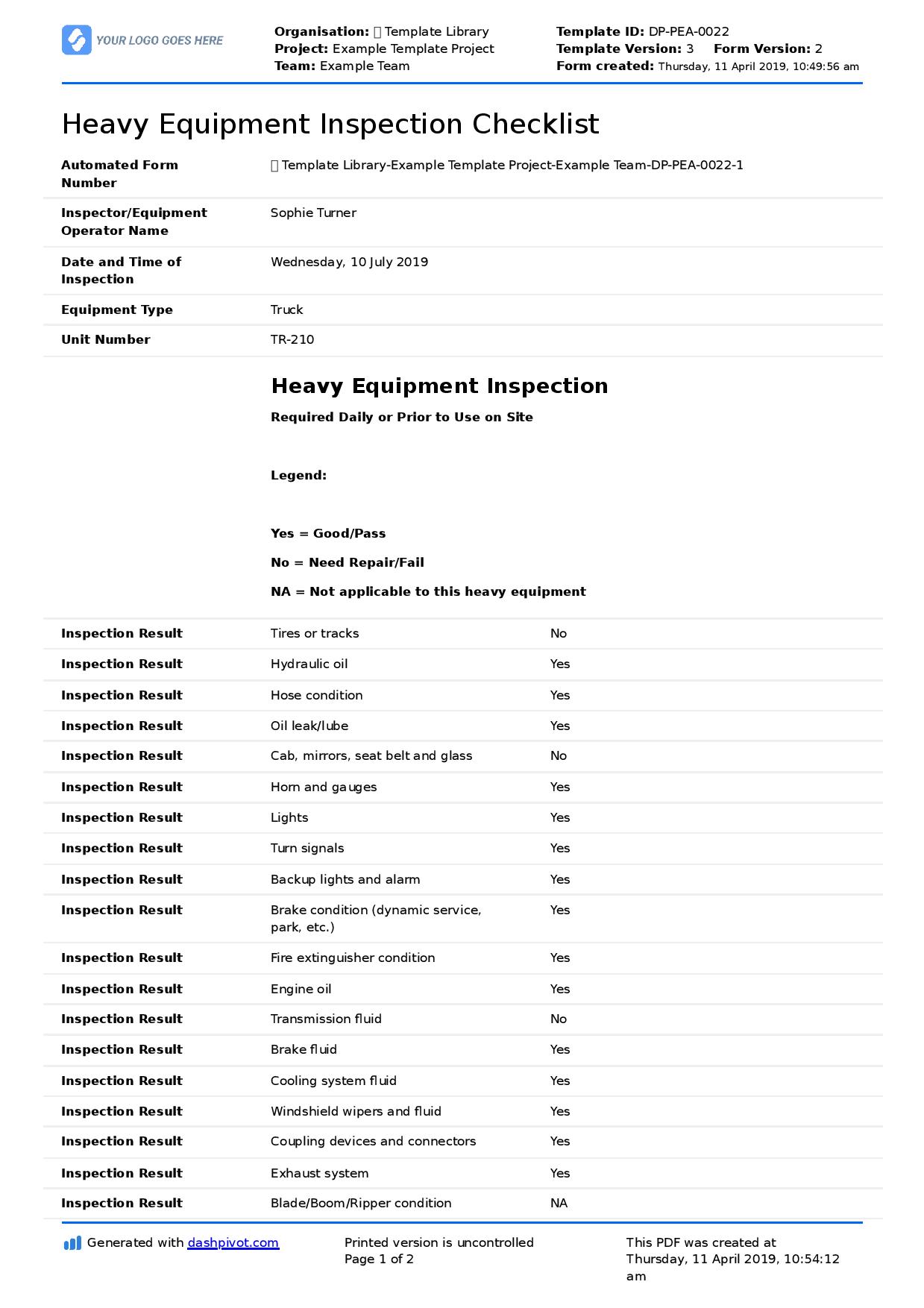
Start Faster With Built-In Asset Management Software Templates

See How Sitemate Has Already Helped Companies Like Yours

"Instead of spending 5 days on data entry, it's now just ad hoc time checking the data coming in electronically."
- Rhys Thomas, CFO
95% time saved
On manual HR data entry tasks
0 lost forms
Thanks to digital submission
Asset Management Software with Flowsite
Flowsite automatically transfers completed asset inspection and maintenance data from Dashpivot into asset dashboards and reporting systems, removing the need for manual re-entry. Fleet and site teams get real-time visibility of asset condition and history, so equipment can be reviewed and addressed with minimal admin work.
Comparison: Paper Asset Management vs Digital Asset Management
Most project teams already know paper and spreadsheets aren't cutting it. Here's what changes when you move your method statements to a digital system.
Form access
Data gathering
Asset tracking
Escalation
Storage
Supervisors' approval
Audit readiness

Paper
Frequently asked questions about the Asset Management Software
Does Dashpivot work even if offline?

Yes, Dashpivot can work even without internet connectivity. It stores all collected data, like photos and asset condition notes, in the phone and automatically syncs when connectivity returns.
What is asset management software, and how does it apply on site?
Asset management software is a digital tool used to track the condition, location, and maintenance history of equipment, tools, or vehicles across a construction project or business.
How does AI help when logging asset details?
Sitemate’s AI assistant Storm can extract data from photos and voice recordings and auto-fill the relevant fields on the record. This process eliminates manual data entry, which significantly streamlines how teams use basic asset management software on site.
Can I build our own asset management program template in the app?
Yes, teams can build an asset management program template from the ground up using the drag-and-drop builder. Fields like asset ID, location, condition, and maintenance schedule can all be added to suit how your business tracks equipment.
Can I generate dashboards from asset records?
Yes, the app can generate dashboards based on collected data from asset records. Supervisors and managers can easily track asset location and condition across a project without the need to manually compile registers.
What happens to the workflow when an asset is flagged as faulty or out of service?
Dashpivot’s notification system immediately alerts the assigned supervisor or asset manager by email or in-app notification as soon as an asset is flagged. From there, the supervisor can assign a corrective action to a responsible person, mark the asset as out of service, and require a follow-up check before it’s returned to use.
 English (United States)
  English (Australia)
  English (UK)
  English (New Zealand)
  English (South Africa)
  German