
The Toolbox Talk App Built for Construction Teams
Transform your safety briefings into complete digital records as the meeting happens. Capture attendance, discussion points, and actions without pulling focus from the actual safety conversation.

Trusted by companies, projects and teams of all sizes















Why Toolbox Talk management Is Harder than It Should Be

Sign-in sheets get lost
Paper attendance records disappear or get damaged, making it impossible to prove who attended safety briefings during compliance audits.
Inconsistent safety documentation
Handwritten notes vary between supervisors, creating gaps in safety records and incomplete hazard discussions.

Post-meeting paperwork burden
Supervisors spend time after toolbox talks transcribing notes and chasing follow-up actions instead of focusing on crew safety.
Audit compliance scrambles
Finding specific toolbox talk records means digging through folders and piecing together incomplete documentation during safety audits.
A Smarter Way to Manage Toolbox Talk

Digital attendance capture
Crew members check in via QR code or name selection, creating timestamped attendance records that can’t be lost or damaged.

Voice-recorded safety discussions
Supervisors record key safety points and hazard discussions via voice note, keeping focus on the crew conversation.

Real-time action assignment
Safety actions and follow-ups are assigned to specific crew members during the meeting with automatic tracking.

Audit compliance scrambles
Complete toolbox talk documentation is available immediately after the briefing, with all attendance and discussion points logged.


Understanding Toolbox Talk Software
What are toolbox talks?
Toolbox talks are short safety briefings held before work shifts begin. Supervisors discuss daily hazards, weather conditions, work activities, and safety procedures with their crew. These conversations are mandatory on most construction and civil sites, serving as the primary tool for communicating immediate safety concerns and ensuring workers understand site-specific risks. Effective toolbox talks require documenting who attended, what hazards were discussed, and any follow-up actions assigned. This documentation proves compliance during safety audits and creates a traceable record of safety communications.
Essential elements of toolbox talk records
- Attendance register with all crew members present
- Date, time, and location of the safety briefing
- Weather and site conditions affecting work
- Specific hazards identified for the day's activities
- Safety procedures and controls discussed
- Action items assigned to specific workers
Why digital toolbox talks matter
Paper-based toolbox talks create compliance risks and administrative burden. Sign-in sheets get lost, handwritten notes become illegible, and supervisors spend valuable time after meetings transcribing information. Digital toolbox talks eliminate these issues while improving safety engagement. Supervisors can focus on meaningful safety discussions instead of paperwork, and complete records are available instantly for audits or incident investigations.
How To Set Up a Digital Toolbox Talk Using Sitemate
Step 1:
Step 2:
Configure crew attendance lists. Import worker profiles and create site-specific attendance registers for quick check-in during safety briefings.
Step 3:
Train supervisors on mobile app. Show site supervisors how to record voice notes, mark attendance, and assign actions using the Sitemate Mobile App.
Step 4:
Test voice recording and GPS. Verify AI transcription accuracy and location tracking work correctly across your site locations.
Step 5:
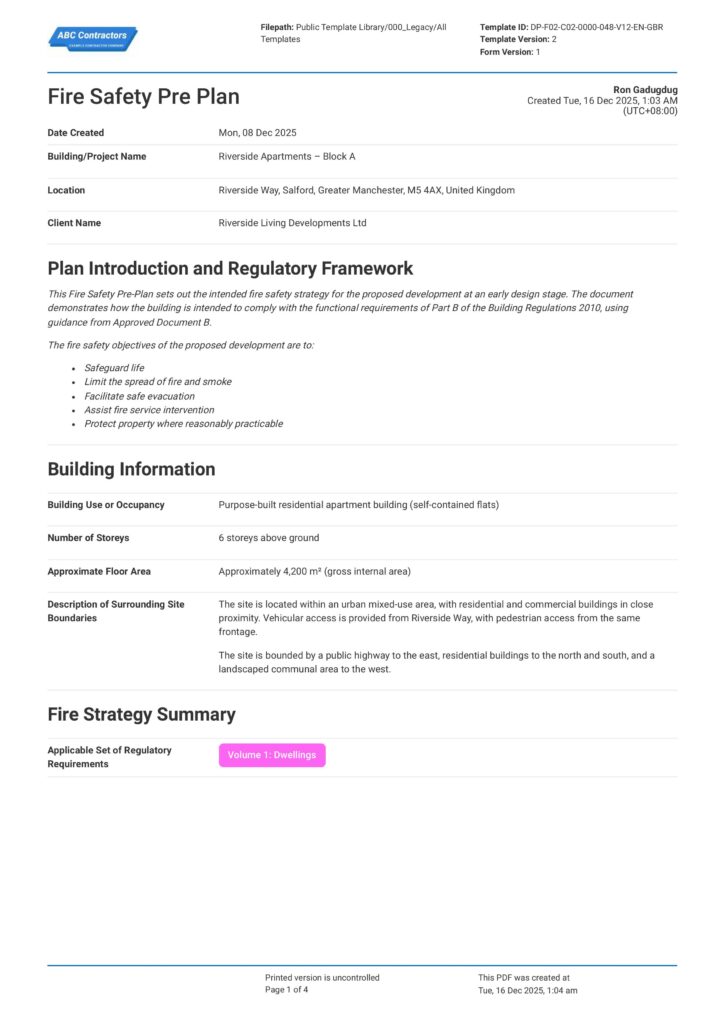
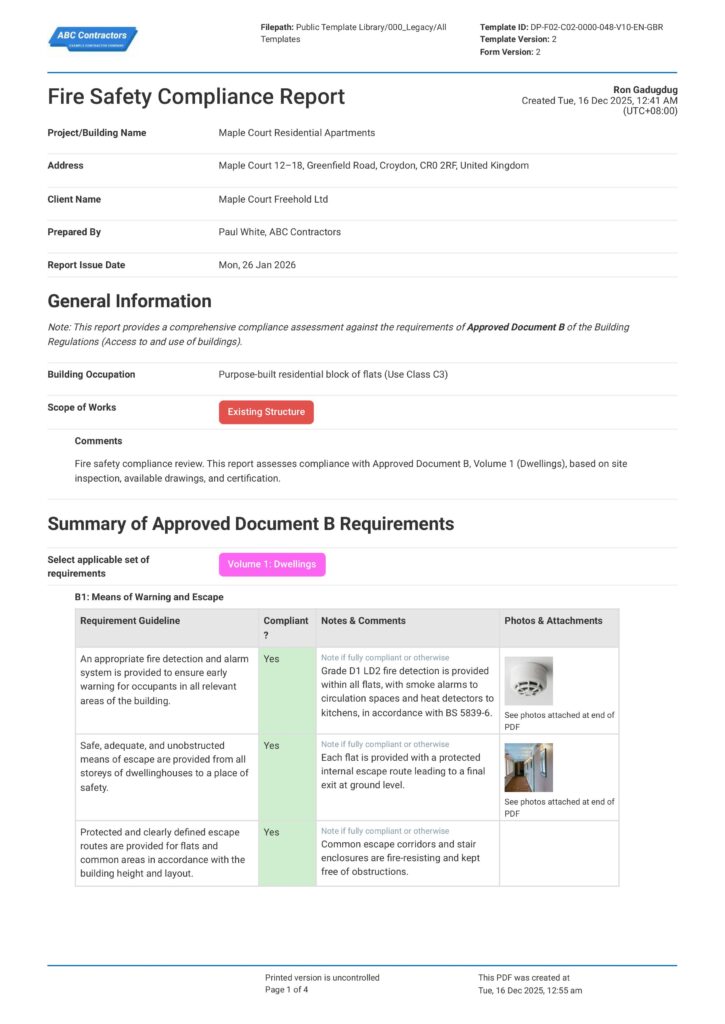
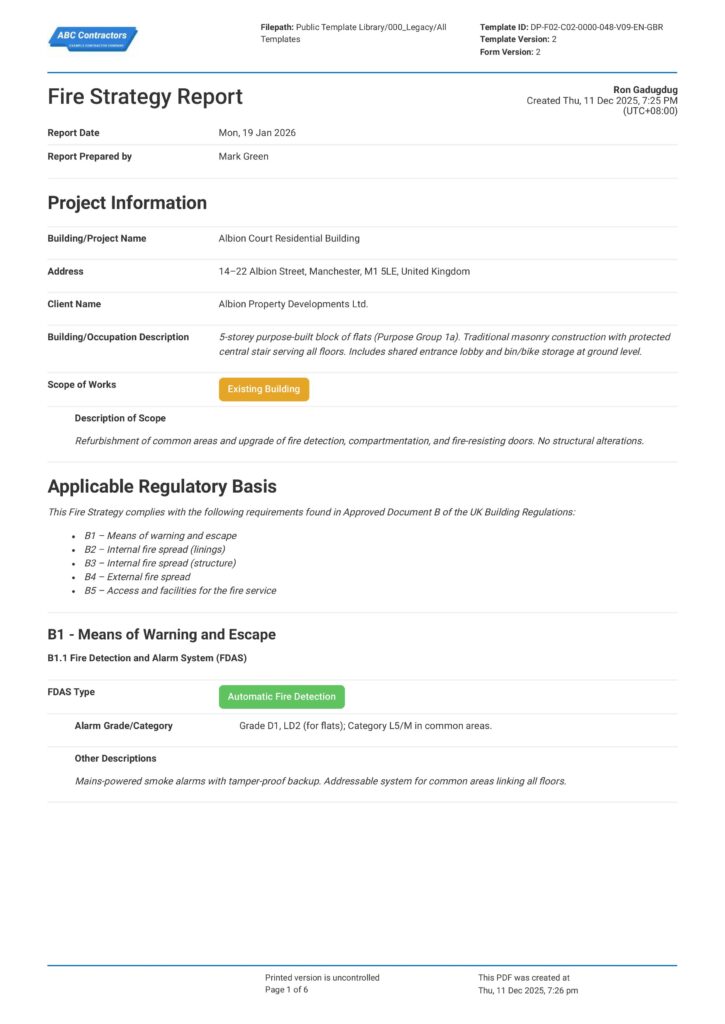
Start Faster With Built-In Toolbox Talk Templates
See How Sitemate Has Already Helped Companies Like Yours
"Not having a piece of paper correct can be the difference between a legal claim or a $300,000 loss."
- Clint Logan, Senior Project Manager
$300,000
Risk avoided by eliminating missing documentation
100% of reports
Completed, signed, and stored digitally
Toolbox talk insights with Flowsite
Flowsite aggregates toolbox talk data across projects, revealing patterns in hazard discussions and safety action completion rates for better safety system management.
Comparison: Paper Toolbox Talk vs Digital Toolbox Talk
Most project teams already know paper and spreadsheets aren't cutting it. Here's what changes when you move your method statements to a digital system.
Real-time attendance capture
Voice-recorded safety discussions
Automatic action item tracking
Versioning
Approvals
Audit Trail
Offline Access
Reporting
Searchability

Paper
Frequently asked questions about Toolbox Talk
Will workers actually sign in digitally?

Yes. QR code scanning or name selection is faster than paper sign-in sheets and eliminates issues with lost paperwork. Workers find it quicker and easier than traditional methods.
Can workers fake attendance if it's digital?
No. GPS location and timestamps verify workers are actually on-site during the safety briefing. This provides stronger attendance verification than paper sign-in sheets.
What happens if there's no internet connection?
The Sitemate Mobile App works offline. Toolbox talk records sync automatically when internet connection is restored, ensuring no data is lost.
How accurate is the voice transcription?
AI transcription captures safety discussions with high accuracy. Supervisors review and edit the transcribed content before approving the final record.
Can non-English speaking workers participate?
Yes. Workers can contribute in their own language during toolbox talks, and their input is captured directly in the talk record.
How long does it take to complete a digital toolbox talk?
Digital toolbox talks are faster than paper methods. Attendance capture is quicker, voice recording eliminates handwriting time, and no post-meeting transcription is needed.
Are toolbox talk records available for audits immediately?
Yes. Complete documentation with attendance, discussion points, and action items is available immediately after the supervisor approves the record.
 English (United States)
  English (Australia)
  English (UK)
  English (New Zealand)
  English (South Africa)
  German