The Work Order App Built for the Front Line
Improve your work order process. Powered by the Dashpivot platform, Sitemate’s Work Order App can help streamline the work order process using AI to automatically create structured and compliant templates. The app also has the capability to capture information through voice recordings, eliminating the need for manual data entry.

Trusted by companies, projects and teams of all sizes















Why Work Order management Is Harder than It Should Be

Manual work orders take too long, leading to delays
Using paper-based templates consumes a substantial amount of time, which may result in workers arriving on site without the information needed to repair machinery.

Repeat site visits and extended downtime
Because manual work orders are often done in pieces or left half-finished, there is a high chance of human error, which can result in extended equipment downtime and require additional visits from the mechanic.

No clear visibility on the process
When processing a work order manually, users often find it complicated to determine its status. Such situations may result in inconsistencies, making it far more difficult to plan for estimated completion and follow-up tasks.

Incomplete records and broken audit trails
Completed manual work orders are stored physically and are often left unchecked and unreviewed by managers. This leads to unwelcome surprises during audits, resulting in increased non-conformance, penalties, or loss of certification.
A Smarter Work Order App

Smart generation from any source
Sitemate’s AI assistant Storm is integrated into the app, so it automatically generates work orders from raised issues, scheduled services, or findings from inspections, including fault details and pre-populated equipment information.

Single work order for multiple raised issues
Supervisors and engineers can collectively integrate all identified issues into a single work order to streamline equipment repair and reduce equipment downtime across the fleet.

Tracking progress in real-time
The Work Order App allows managers and supervisors to immediately grasp the current status of maintenance work. Workers can use the app to update work progress using either a mobile device or a computer and immediately notify supervisors as needed.

Incomplete records and broken audit trails
Easily compile completed work orders in a single cloud location and access them anytime. Furthermore, work orders can be directly linked to equipment records, which include repair history, inspection records, and cost tracking, helping support compliance without any manual work.


Understanding Work Order Software
What is a Work Order App?
Sitemate's Work Order App, created using its Dashpivot platform, is a purpose-built digital solution that allows users to generate, assign, track, and close maintenance and repair activities. It is designed to replace paper-based forms and streamline the whole work order process. Businesses integrating this tool can significantly improve visibility on work orders and reduce the amount of time needed for administrative work.
Key items needed in an effective work order
- Accurate equipment identification and location
- Full fault description with photos and diagnostics
- Verification of important materials needed before the maintenance activity
- Inspection of implemented safety requirements and PPE
- Planned hours and competent technicians
- Step-by-step repair procedures drawn from maintenance history
- Full tracking of work order status
- Complete sign-off from relevant personnel
How does tracking the work order help with maintenance outcomes?
Work orders contain the information maintenance workers need to properly address problems and faults. For this reason, it is vital to have a complete and correct work order, as it serves as the foundation for the necessary maintenance work on the machinery and equipment. To ensure correctness and completeness, the work order process needs to be tracked. Tracking the work order establishes clear coordination between relevant personnel, provides the correct requirements, and establishes the appropriate safety measures for the maintenance activity. In short, tracking the work order helps with both quality and safety assurance.
How To Set Up a Digital Work Order Using Sitemate
-
Establish the workflow
Establish roles and responsibilities, and create the approval workflow. Configure the automated notifications based on the workflow. -
Create the needed templates
Create the needed work order templates for all maintenance tasks. Include the following information: needed costs, procedures, and safety measures for each equipment type.
-
Set up notifications
Set up notifications based on the established workflow. This ensures that no activity is overlooked.
-
Test and calibrate
Before deploying, test the app to make sure everything is in working order by creating sample work orders using different scenarios.
-
Train involved personnel
Train personnel on how to use the app, especially for updating work order progress, recording costs, and using the sign-off feature on their mobile devices.
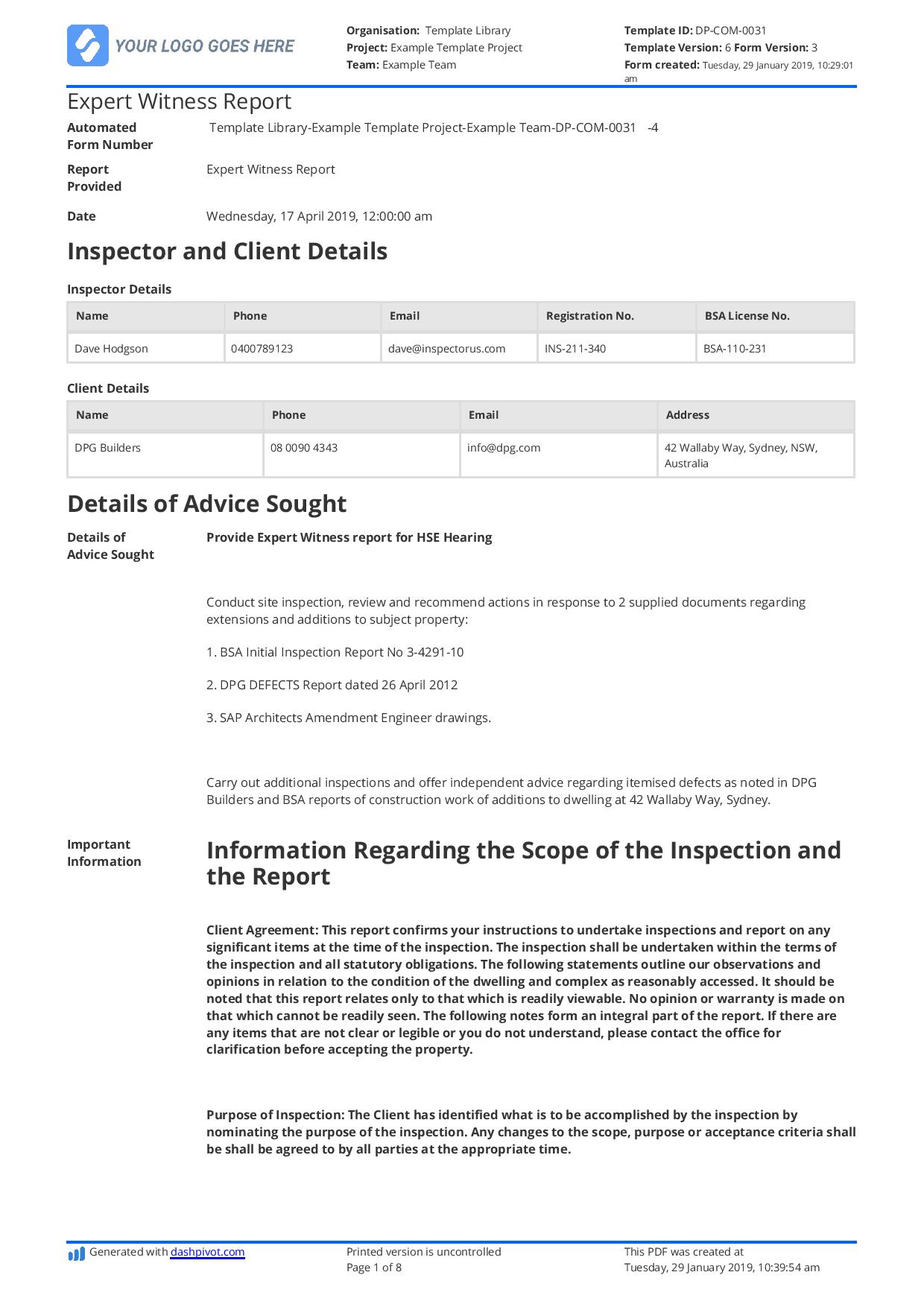
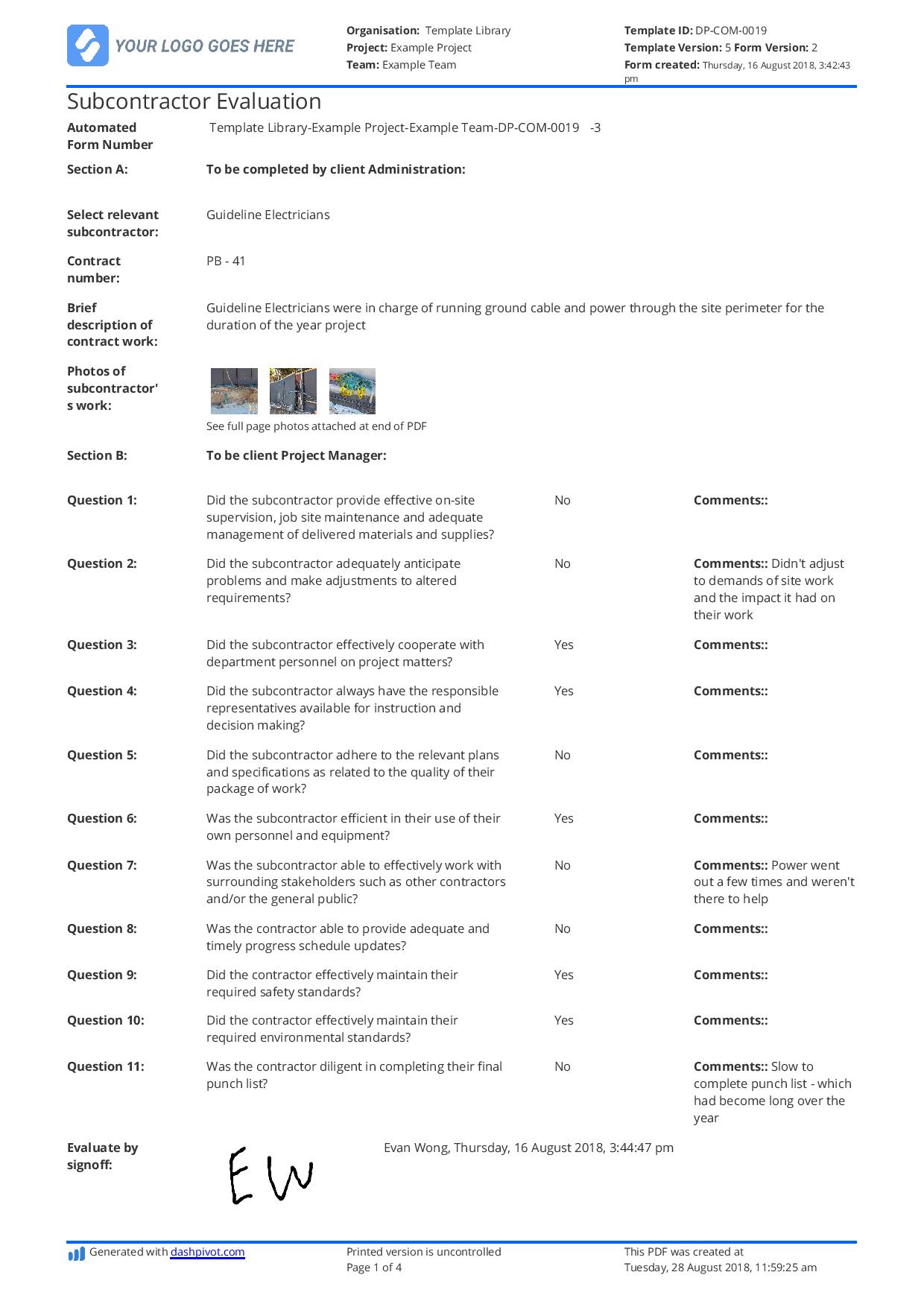
Start Faster With Built-In Work Order App Templates

See How Sitemate Has Already Helped Companies Like Yours

"Instead of spending 5 days on data entry, it's now just ad hoc time checking the data coming in electronically."
- Rhys Thomas, CFO
95% time saved
On manual HR data entry tasks
0 lost forms
Thanks to digital submission
Integrating Flowsite automation in work orders
Flowsite can help create work orders from scheduled maintenance calendars, send material availability to relevant personnel, and push completion data back into the equipment management system. It automates all of these tasks and eliminates the need for manual handoffs throughout the entire process.
Comparison: Paper Work Order vs Digital Work Order
Most project teams already know paper and spreadsheets aren't cutting it. Here's what changes when you move your method statements to a digital system.
Creating the work order from fault reports
Populating equipment details
Progress tracking
On-site capture
Mechanic updates
Approvals
Auditability
Searchability
Reporting process

Paper
Frequently Asked Questions for Work Order App
Is the Work Order App capable of automatically generating work orders from planned maintenance?

Yes, the Work Order App uses Sitemate’s AI assistant Storm to automatically generate work orders from planned maintenance repairs. It also has the capability to generate work orders by extracting data from inspection findings. Supervisors only need to review the generated work order, make minimal changes if needed, and directly approve the initiation of the activity.
How does the Work Order App assist field-workers?
Workers can simply use their mobile devices to update the work order status, record the costs incurred, track repair progress, and upload photos for completion evidence. All these updates can also be viewed by supervisors in real time, eliminating the need for manual check-ins.
Can Dashpivot keep a record of completed maintenance work?
Yes, Sitemate’s Work Order App uses a cloud storage system to keep completed work orders on file. Workers can easily view past work orders using the search or filter feature.
Can the Work Order App record multiple findings?
Yes, relevant personnel involved in the work order process can easily combine multiple identified issues or scheduled tasks into a single work order. This way, the maintenance procedure is efficient, and downtime is reduced.
Can multiple people work on a single work order?
Yes, the app allows multiple people to work on the same work order, which provides better collaboration in completing an activity.
What if there are changes needed during a repair?
The work order can easily be updated by the employees using their mobile devices to modify the work order. Automatic notifications are sent to the relevant supervisors to immediately inform them of changes.
Why use the Work Order App to support preventive maintenance?
The Work Order App has a feature that compiles data and sources recurring issues across various pieces of equipment. The collected information can be used to plan maintenance schedules and prevent any sudden equipment downtime. This proactive approach helps companies be better prepared in terms of material lead time, equipment downtime, and cost control.
 English (United States)
  English (Australia)
  English (UK)
  English (New Zealand)
  English (South Africa)
  German